Best Supplements for Senior Cats (UK)
This page contains affiliate links. As an Amazon Associate we earn from qualifying purchases — at no extra cost to you.
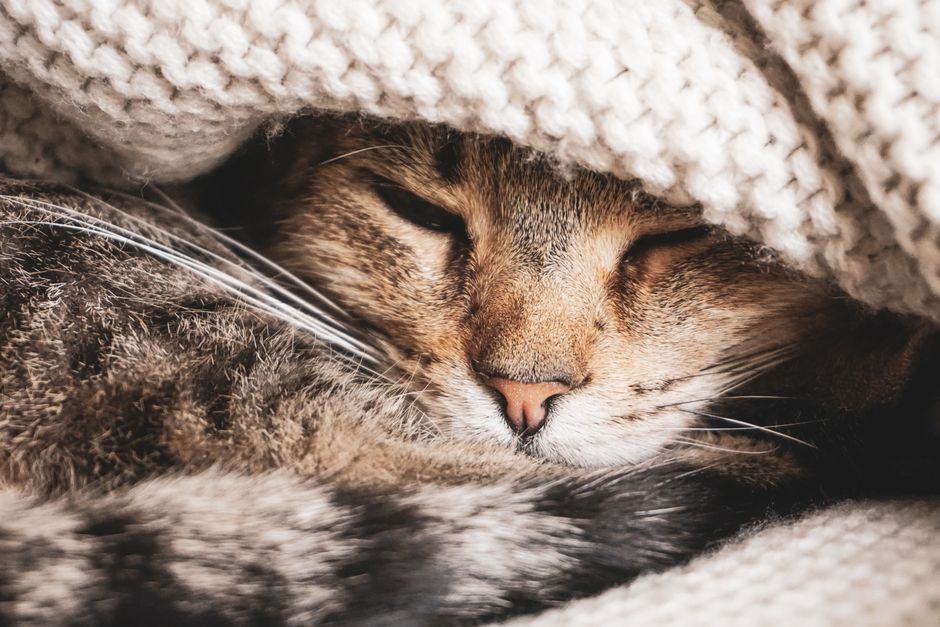
Cats are brilliant at hiding age. A senior cat can be stiff, losing muscle or quietly developing kidney trouble while still looking much the same on the sofa. By around 11 or 12 most cats are 'senior', and a few well-chosen supplements can support the areas that tend to go first.
The trap with older cats is over-supplementing. You don't need a cupboard of tubs, you need to target the two or three things that actually matter for an ageing cat.
What to look for in a senior cat supplement
Four things account for almost everything worth buying for an older cat, and the rest is noise.
- Joint actives at a feline dose. Green-lipped mussel or glucosamine, in a cat-specific product. Dog tablets are the wrong size and sometimes the wrong ingredients.
- Omega-3 (EPA and DHA) from a marine source. It does double duty on coat condition and joint inflammation, and older cats often drop off on both at once.
- A format your cat will actually take. Most feline products are capsules you open and stir into wet food, or an oil you drizzle. A tablet you cannot get in is worth nothing.
- Nothing kidney-related without your vet. Chronic kidney disease is common in older cats and is managed with a prescription diet and monitoring, not an over-the-counter tub. Phosphate binders in particular are a veterinary decision.
Four supplements worth considering
YuMOVE Joint Support for Adult Cats
The feline version of the UK's best-selling joint supplement, built on the same ActivEase green-lipped mussel. Capsules can be opened and mixed into wet food, which is how most owners end up giving it. Give it six weeks before you judge it: what you are looking for is a cat going back up onto the windowsill, not an overnight change.
Check the price →YuMOVE Joint Support PLUS for Cats
The higher-strength feline formula, for about two pounds more. It makes sense where the standard capsule has been given properly for six weeks and the cat is still hesitating at heights. There is also a vet-only ADVANCE 360 Max Strength for cats above it, which your vet dispenses rather than you buying.
Check the price →YuMOVE Calming Support for Cats
Older cats get less tolerant of change, and a house move, a new pet or a noisy few weeks shows up as hiding, over-grooming or litter-tray accidents. This is the supplement side of that problem. It is not a substitute for the environmental fixes — more litter trays, more high perches, quiet places to retreat to — which do most of the work.
Check the price →A plain marine omega-3 oil
If your cat's problem is a scruffy, greasy or thinning coat rather than mobility, start here rather than with a joint product. An omega-3 oil drizzled on wet food is inexpensive, easy to give and helps skin, coat and joints together. Buy a cat or small-pet oil rather than decanting a human supplement, and keep it in the fridge once opened.
Compare cat omega oils →Getting it into the cat
This is where most senior-cat supplementation fails. A few things that help: open the capsule and stir the powder through a strongly flavoured wet food rather than dry; start with half the dose for the first few days so the taste change is gradual; and if your cat is being fed twice a day, split the dose rather than doubling one meal. If a cat refuses a supplement two days running, change the format instead of persisting — an oil where a capsule failed, usually.
Give any joint supplement six to eight weeks at the correct dose before deciding. And take a video of your cat getting onto its favourite high spot before you start: memory is a bad judge of a slow change, and a fifteen-second clip is not.
Common questions
What supplements does an older cat actually need?
Usually two things: a marine omega-3 for coat and joints, and a cat-specific joint product with green-lipped mussel or glucosamine if there is stiffness. Anything kidney-related should be led by your vet rather than bought over the counter.
How do I know if my senior cat has arthritis?
Cats rarely limp. Look for a cat that has stopped jumping onto the windowsill or the bed, hesitates at the stairs, sleeps more, or has a scruffier coat because grooming has become uncomfortable. Your vet can confirm it and advise on joint support.
Can I give my cat a dog supplement?
No. Cats have different requirements and are sensitive to ingredients that are fine in dogs. Always use a cat-specific product at the feline dose.
How long before a joint supplement helps an older cat?
Six to eight weeks of daily dosing. Anything that appears in the first few days is more likely to be the weather or your own attention than the supplement.
Should I give a supplement for my cat's kidneys?
Talk to your vet first. Chronic kidney disease in older cats is managed with a prescription renal diet, monitoring and sometimes phosphate binders, and an over-the-counter product is not a substitute for any of that.