Does Your Dog Need Joint Supplements?
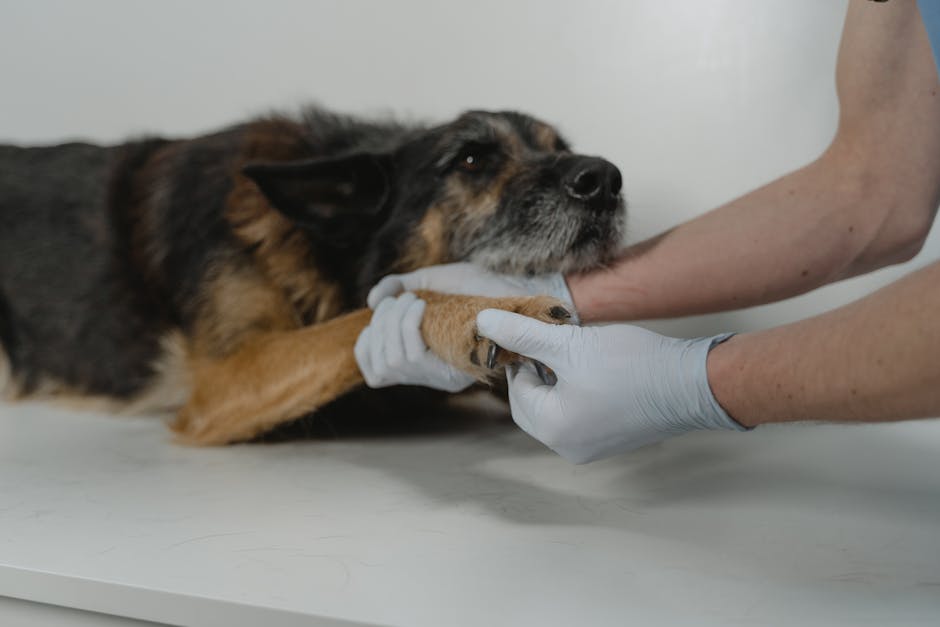
Joint problems affect roughly 1 in 5 adult dogs and up to 80% of dogs over age 8. The earlier you spot the signs, the better the outcome. Our quiz helps you assess your dog's risk level and recommends the right next steps.
Does your dog have difficulty getting up after resting?
Especially noticeable first thing in the morning or after a nap.
Does your dog hesitate or refuse to climb stairs?
Going up or down stairs causes visible reluctance or effort.
Has your dog become slower on walks or lagged behind?
Noticeable reduction in pace or enthusiasm compared to their younger self.
Does your dog limp or favour a leg, even occasionally?
Intermittent limping that comes and goes, especially after exercise.
Does your dog struggle to jump onto furniture or into the car?
Needs help or avoids jumping up where they used to manage easily.
Is your dog a large breed (over 25kg)?
Labradors, German Shepherds, Golden Retrievers, Rottweilers, etc.
Is your dog over 6 years old?
Joint problems become increasingly common with age.
Has your dog shown signs of stiffness after exercise?
Seems stiff or sore the day after a longer walk or play session.
This page contains affiliate links. As an Amazon Associate we earn from qualifying purchases — at no extra cost to you.
Your Results
⚠️ Important Disclaimer
This quiz is for informational purposes only and is not a substitute for professional veterinary advice. If your dog is showing signs of joint pain, please consult your vet for a proper diagnosis and treatment plan.
Frequently Asked Questions
What are the first signs of joint pain in dogs?
The earliest signs include reluctance to climb stairs, stiffness after resting that improves with movement, lagging behind on walks, difficulty rising from a lying position, and subtle limping that comes and goes. Many owners notice these signs first thing in the morning or after the dog has been sleeping.
At what age do dogs start getting joint problems?
Joint problems can appear at any age, but most dogs show signs between 6-8 years old. Large breeds like Labradors, German Shepherds, and Golden Retrievers may show signs as early as 4-5 years. Small breeds tend to develop issues later, around 8-10 years. Some dogs develop joint issues due to injury or genetic conditions at much younger ages.
Can joint supplements reverse joint damage in dogs?
Joint supplements cannot reverse structural damage that has already occurred, but they can slow further deterioration, reduce inflammation, and improve comfort and mobility. The most effective supplements contain glucosamine, chondroitin, and omega-3 fatty acids. Starting supplements early, before significant damage occurs, gives the best results.
How long do joint supplements take to work in dogs?
Most dogs show noticeable improvement within 4-6 weeks of starting a quality joint supplement. Some dogs respond faster (2-3 weeks), while others may take up to 8 weeks. Consistency is key — supplements must be given daily for cumulative benefits. If you see no improvement after 8 weeks, consult your vet about alternative formulations.