

Some links below go to Amazon. As an Amazon Associate we earn from qualifying purchases — the price you pay is unaffected.
B — Boswellia (Frankincense)
What it is: A herbal extract from the resin of the Boswellia serrata tree, used for centuries in traditional medicine. The active compounds (boswellic acids) inhibit inflammatory enzymes.
Benefits: Reduces joint inflammation and pain, may improve mobility in dogs with osteoarthritis, supports overall joint comfort. Often used alongside glucosamine for enhanced effect.
Side effects: Generally very safe. Mild gastrointestinal upset (soft stools) in rare cases. May interact with anti-inflammatory drugs — consult your vet if your dog is on NSAIDs.
Dosage: 20–40mg per kg body weight daily. Available in tablet and powder form.
Safe for cats? Limited safety data for cats. Not recommended without veterinary guidance.
C — Chondroitin Sulphate
What it is: A naturally occurring component of cartilage that helps retain water and elasticity. Usually sourced from bovine or shark cartilage. Works synergistically with glucosamine to protect and rebuild joint cartilage.
Benefits: Slows cartilage degradation, improves joint cushioning, reduces pain and stiffness in arthritic dogs, enhances the effects of glucosamine.
Side effects: Very safe. Rare mild gastrointestinal effects (bloating, loose stools). No significant drug interactions reported at recommended doses.
Dosage: 200–400mg/day for medium dogs; up to 800mg/day for large breeds.
Safe for cats? Yes, at appropriate feline doses. Often combined with glucosamine in cat joint supplements.
C — CBD (Cannabidiol)
UK status: the Veterinary Medicines Directorate treats CBD for animals as a veterinary medicine, and no CBD product for pets currently holds a UK marketing authorisation. That is why we do not link to any, and why anything you find on sale is being sold outside that framework. Talk to your vet before giving it.
What it is: A non-psychoactive compound derived from hemp. Does not produce the "high" associated with THC. Increasingly used in pet supplements for anxiety, pain, and inflammation.
Benefits: May reduce anxiety and stress, provides anti-inflammatory and pain-relieving effects, supports joint comfort, may help with seizure management in some dogs.
Side effects: Generally well tolerated. Possible drowsiness at higher doses, dry mouth (increased thirst), mild GI upset. Quality varies hugely between products — choose brands with third-party lab testing.
Dosage: 1–2mg per kg body weight, twice daily. Start low and increase gradually. Look for products specifically formulated for pets with verified THC content below 0.2%.
Safe for cats? Cats are more sensitive to CBD than dogs. Use only cat-specific products at reduced doses under veterinary supervision.
C — Collagen
What it is: The most abundant protein in the body, forming the structural foundation of tendons, ligaments, cartilage, and skin. Supplemental collagen supports connective tissue repair and joint health.
Benefits: Supports joint cartilage integrity, improves skin and coat condition, may aid wound healing, supports tendon and ligament health in active or working dogs.
Side effects: Very safe with minimal reported side effects. Occasional mild digestive upset in sensitive dogs.
Dosage: 500–1000mg/day depending on dog size. Hydrolysed collagen peptides are most easily absorbed.
Safe for cats? Yes, generally considered safe for cats at appropriate doses.
G — Glucosamine HCl
What it is: The most widely used joint supplement ingredient. A natural amino sugar that serves as a building block for cartilage. The HCl (hydrochloride) form is preferred for dogs due to higher bioavailability compared to the sulphate form.
Benefits: Supports cartilage repair and maintenance, reduces joint pain and stiffness, improves mobility in dogs with arthritis and hip dysplasia. Well-studied with a long track record of safety.
Side effects: Excellent safety profile. Occasional mild GI effects (gas, soft stools), especially when starting. Rare allergic reactions in shellfish-sensitive dogs (most glucosamine is shellfish-derived).
Dosage: 500–1000mg/day for medium to large dogs; 250–500mg/day for small breeds. Give with food.
Safe for cats? Yes, well-established for feline joint support at cat-appropriate doses (typically 125–250mg/day).
🛒 Shop glucosamine on Amazon →
G — Green-Lipped Mussel (GLM)

What it is: A mussel from New Zealand that naturally contains omega-3s, glucosamine, and chondroitin. Considered the gold standard for natural joint support. Contains ETA — a unique omega-3 with powerful anti-inflammatory properties not found in fish oil.
Benefits: Multi-action joint support combining anti-inflammatory omega-3s with cartilage-building compounds. Reduces pain, improves mobility, and slows joint degeneration. Research supports its use for both arthritis and general joint maintenance.
Side effects: Very safe. Rare fishy-smelling stools or mild GI upset. Shellfish allergy is a theoretical concern but extremely rare with GLM products.
Dosage: 200–500mg/day depending on dog size. Look for products specifying the amount of active GLM per serving.
Safe for cats? Yes, used in several cat-specific joint supplements. Dose appropriately for body weight.
🛒 Shop green-lipped mussel on Amazon →
H — Hyaluronic Acid
What it is: A large molecule that helps lubricate joints by maintaining synovial fluid viscosity. Found naturally in joint fluid, skin, and eyes. Often included in premium joint supplements.
Benefits: Improves joint lubrication, reduces stiffness, supports cartilage hydration, may benefit dogs with dry eye when used topically.
Side effects: Very safe. No significant side effects reported at oral supplement doses.
Dosage: 5–20mg as part of a joint formula. Typically combined with glucosamine and chondroitin rather than used alone.
Safe for cats? Yes, generally considered safe for cats.
L — L-Theanine
What it is: An amino acid naturally found in tea leaves (Camellia sinensis). Promotes relaxation without sedation by increasing alpha brain wave activity and supporting GABA and serotonin production.
Benefits: Reduces anxiety and stress, promotes calm behaviour, helps with noise phobias (fireworks, thunderstorms), supports sleep quality, non-sedating — your dog remains alert and responsive.
Side effects: Excellent safety profile. No significant side effects reported. Does not cause drowsiness or dependency.
Dosage: 1–3mg per kg body weight daily. Often combined with other calming ingredients like valerian for enhanced effect.
Safe for cats? Yes, used in cat calming supplements. Dose appropriately for body weight.
M — MSM (Methylsulfonylmethane)
What it is: An organic sulphur compound that reduces inflammation and supports connective tissue health. Found naturally in some foods but typically synthesised for supplements. Works well alongside glucosamine and chondroitin.
Benefits: Reduces joint pain and inflammation, supports connective tissue repair, may improve skin and coat condition, has antioxidant properties.
Side effects: Very safe. Occasional mild GI effects. No significant drug interactions. The sulphur content can cause a slight increase in the smell of urine in some dogs.
Dosage: 250–500mg/day for medium dogs; up to 1000mg/day for large breeds.
Safe for cats? Limited data. Generally considered safe at low doses but consult your vet.
O — Omega-3 (EPA & DHA)
What it is: Essential fatty acids found in fish oil, krill oil, and marine algae. EPA (eicosapentaenoic acid) is primarily anti-inflammatory. DHA (docosahexaenoic acid) supports brain and eye health. Dogs cannot synthesise these efficiently and must obtain them from diet or supplements.
Benefits: Powerful anti-inflammatory effects for joints, improves skin and coat health, supports cognitive function (especially in senior dogs), benefits heart health, may help with kidney disease management.
Side effects: Generally very safe. Fishy breath is common. High doses can cause loose stools, delayed wound healing (due to blood-thinning effect), or vitamin E depletion. Start with a low dose and increase gradually.
Dosage: 75–100mg combined EPA+DHA per kg body weight daily. Fish oil is preferred over plant-based omega-3 (ALA) as dogs convert ALA poorly.
Safe for cats? Yes — cats need marine-sourced omega-3 (not plant-based). Dose appropriately and use cat-specific products.
🛒 Shop omega-3 for dogs on Amazon →
P — Probiotics
What it is: Live beneficial bacteria that support gut health and immune function. Common strains include Bacillus coagulans, Enterococcus faecium, and Lactobacillus species. The canine gut microbiome is distinct from the human gut, so dog-specific products are preferred.
Benefits: Improves digestive regularity, reduces diarrhoea and loose stools, supports immune function, may help with food intolerances, beneficial after antibiotic treatment, supports nutrient absorption.
Side effects: Very safe. Mild bloating or gas may occur when first starting — usually resolves within a few days. Start with a lower dose.
Dosage: 1–10 billion CFU (colony-forming units) per day depending on product and dog size.
Safe for cats? Yes, but use cat-specific strains. The feline gut microbiome differs from dogs — use products validated for cats.
🛒 Shop dog probiotics on Amazon →
S — SAMe (S-Adenosyl-L-Methionine)
What it is: A compound naturally produced in the body that plays a key role in methylation — a biochemical process essential for liver function, neurotransmitter production, and joint health. Often used for liver support and joint health in senior dogs.
Benefits: Supports liver detoxification and regeneration, may help with cognitive decline in senior dogs, provides anti-inflammatory effects for joints, supports mood and neurotransmitter balance.
Side effects: Generally well tolerated. Can cause GI upset (nausea, vomiting) on an empty stomach — always give with food. Rare anxiety or restlessness at high doses. Avoid in dogs with bipolar-like conditions.
Dosage: 18–20mg per kg body weight daily, given on an empty stomach for liver support or with food for joint support. Enteric-coated tablets are preferred for better absorption.
Safe for cats? Yes, used for liver support in cats, particularly for hepatic lipidosis. Veterinary guidance strongly recommended for dosing.
T — Taurine
What it is: An amino acid that, while technically "non-essential" for dogs (they can synthesise it from methionine and cysteine), can become conditionally essential in certain situations. Critical for heart function, bile acid conjugation, and eye health.
Benefits: Supports heart health (prevents dilated cardiomyopathy), supports eye health, important for bile acid formation and fat digestion, may benefit dogs on grain-free diets where deficiency has been linked to DCM.
Side effects: Very safe. No significant side effects reported even at high doses. Excess taurine is excreted in urine.
Dosage: 500–1000mg/day for large dogs; 250–500mg for smaller breeds. Particularly important for breeds predisposed to DCM (Dobermans, Great Danes, Cocker Spaniels) and dogs on grain-free diets.
Safe for cats? Essential for cats — they cannot synthesise taurine at all. Deficiency causes fatal heart disease and blindness. Cats on home-prepared diets must supplement.
T — Turmeric (Curcumin)
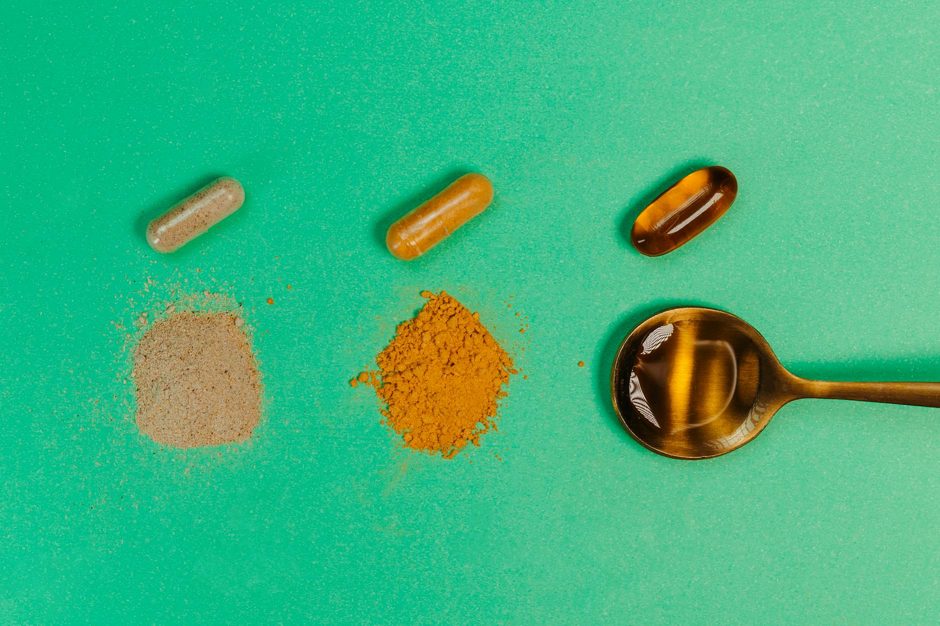
What it is: A spice containing curcumin, a powerful natural anti-inflammatory compound. Curcumin's bioavailability is very low on its own — it is typically combined with black pepper extract (piperine) which increases absorption by up to 2000%.
Benefits: Potent anti-inflammatory and antioxidant effects, reduces joint pain and stiffness, may support cognitive health in senior dogs, has emerging evidence for cancer prevention support.
Side effects: Can cause yellow staining of light-coloured fur around the mouth. GI upset (nausea, diarrhoea) at high doses. May interact with blood-thinning medications. Use curcumin-specific supplements rather than cooking turmeric powder.
Dosage: 15–20mg curcumin per kg body weight daily. Always choose products containing piperine or phospholipid-bound curcumin for adequate absorption.
Safe for cats? Limited data. Small amounts likely safe but the GI effects may be more pronounced in cats. Use cat-specific products only.
🛒 Shop turmeric for dogs on Amazon →
V — Valerian (Valeriana officinalis)
What it is: A flowering plant whose root has been used as a natural sedative and anxiety reliever for centuries. Works by increasing GABA levels in the brain. Often combined with scullcap for enhanced calming effects.
Benefits: Reduces anxiety, fear, and excitability, helps with noise phobias and travel anxiety, promotes relaxation and sleep, non-addictive with no withdrawal effects.
Side effects: Can cause drowsiness at higher doses. Rare GI upset. Very rarely, some dogs may experience paradoxical excitement instead of calm. Avoid combining with sedative medications without veterinary guidance.
Dosage: 5–10mg per kg body weight daily. Best given 30–60 minutes before an anticipated stressful event. Often combined with L-theanine or scullcap for synergistic effects.
Safe for cats? Cats are more sensitive to valerian — it can actually act as a stimulant in some cats (similar to catnip). Use cat-specific products with caution.
V — Vitamin E (Tocopherols)
What it is: A fat-soluble antioxidant that protects cell membranes from oxidative damage. Works synergistically with omega-3 fatty acids — supplementing fish oil without adequate vitamin E can actually increase oxidative stress.
Benefits: Powerful antioxidant protection, supports skin health and wound healing, protects against oxidative damage from omega-3 supplementation, supports immune function, may benefit eye health in ageing dogs.
Side effects: Safe at recommended doses. Very high doses (>1000 IU/day) can interfere with blood clotting and vitamin K metabolism. May interact with blood-thinning medications.
Dosage: 1–2 IU per kg body weight daily. Increase proportionally when supplementing with fish oil. Natural (d-alpha-tocopherol) is preferred over synthetic (dl-alpha-tocopherol).
Safe for cats? Yes, safe and beneficial for cats at appropriate doses. Particularly important when supplementing with omega-3 fatty acids.